
How to Source Cheap Branded Clothes Without Sacrificing Quality or Impact
Discover how Australian businesses and organisations can order cheap branded clothes in bulk without compromising on quality, style, or brand impact.

Written by
Mason Park
Custom Apparel
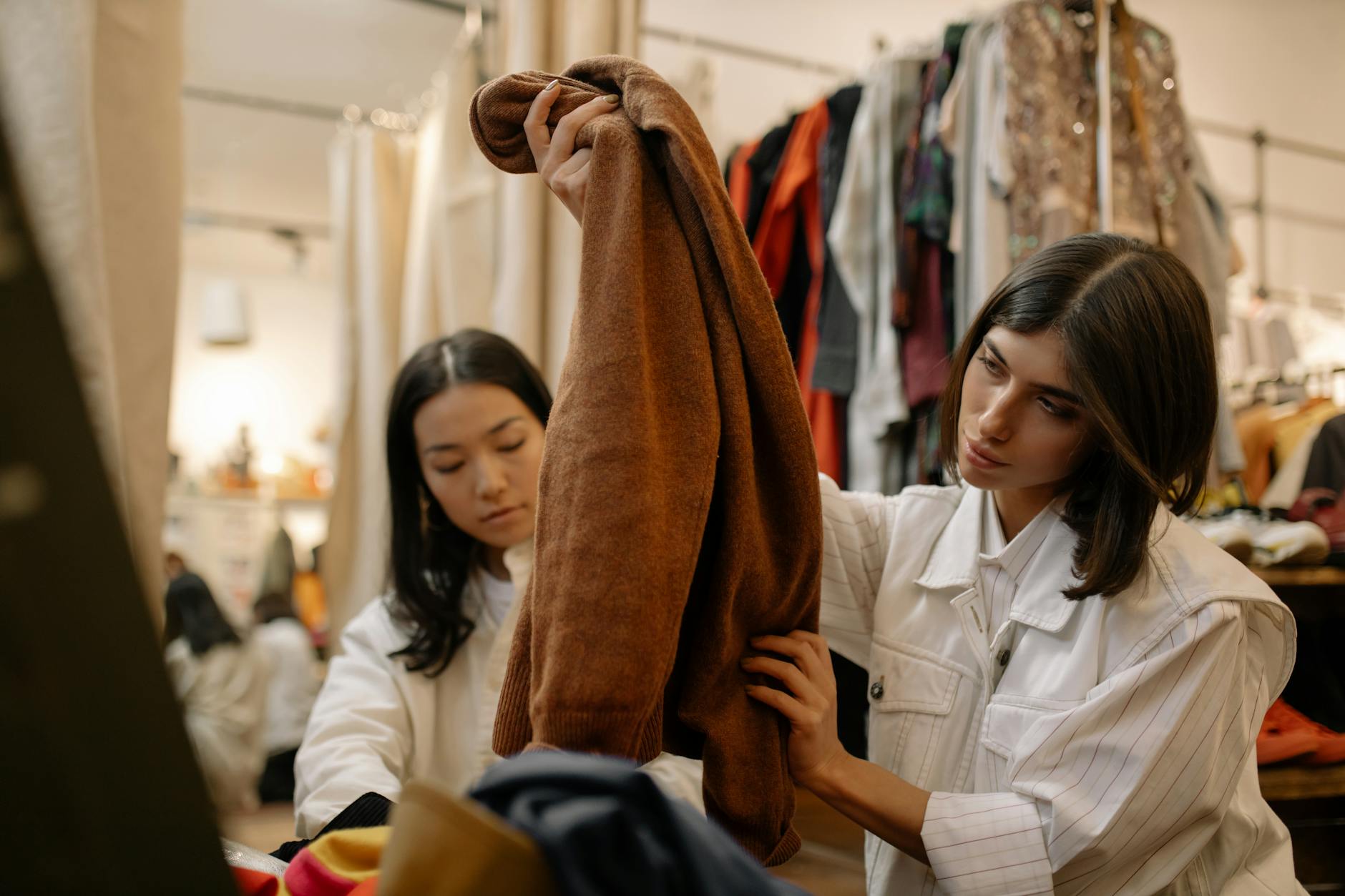
Ordering cheap branded clothes for your team, event, or organisation sounds straightforward — until you’re knee-deep in quotes, confused by decoration methods, and wondering whether that suspiciously low price per unit is actually going to deliver something you’d be proud to hand out. The good news is that affordable branded apparel is absolutely achievable in Australia, and with the right approach, you can get professional-looking results that represent your brand well without blowing your entire merchandise budget. Whether you’re a Sydney startup kitting out a team of 20, a Gold Coast event planner sourcing shirts for a festival, or a Brisbane school organising uniforms for an upcoming sports day, this guide covers everything you need to know.
What “Cheap Branded Clothes” Actually Means (And What It Doesn’t)
Let’s clear something up right away. “Cheap” doesn’t have to mean low quality — it means cost-effective. The goal is to find the best possible value at the lowest possible price point. There’s a meaningful difference between garments that are budget-friendly and garments that look like they were pulled from a bin at a discount warehouse.
In the promotional products world, cost-effective branded apparel typically refers to:
- Basic cotton t-shirts with screen printed logos
- Standard polo shirts with embroidered branding
- Budget caps with embroidered or printed logos
- Simple hoodies or fleece jackets with chest or back decoration
- Promotional hi-vis vests with printed company names
The trick is knowing which products offer genuine value at lower price points, and which ones will cost you more in the long run through poor print quality, fast-fading colours, or garments that fall apart after a few washes.
Key Factors That Influence the Cost of Branded Apparel
Understanding what drives the price of branded clothing helps you make smarter decisions and spot where you can genuinely save money.
Minimum Order Quantities (MOQs)
One of the biggest cost levers in branded apparel is order volume. The more units you order, the lower your per-unit price — often dramatically so. A single custom t-shirt might cost $30–$40 when ordered as a sample, but bulk orders of 100+ units from the same range can bring that figure down to $8–$15 per shirt, depending on the garment and decoration method.
If you’re planning an event, consider ordering slightly more than you need. The cost difference between 80 and 100 shirts is often minimal, but the per-unit savings are real — and you’ll have spares on hand for new team members or replacement sizes.
Decoration Method
The printing or embroidery method you choose has a significant impact on your final cost. Here’s a quick breakdown:
- Screen printing is typically the most cost-effective option for large runs of one to four colours. Setup fees apply, but per-unit costs drop sharply at volume. It’s ideal for t-shirts, hoodies, and tote bags.
- Embroidery has higher per-piece costs but delivers a premium, durable result. It’s best suited for polos, caps, and workwear where a professional look is important.
- Heat transfer suits smaller runs and full-colour designs, though it can be less durable than screen printing over time.
- Sublimation allows all-over printing and vibrant colour, but is restricted to polyester or poly-blend fabrics.
Our quality guide to vinyl cutting for promotional products is also worth reading if you’re considering vinyl heat press as an alternative for smaller apparel runs.
Garment Selection
Blank garment cost is the foundation of your per-unit price. Brands and fabric weights vary enormously. A 180gsm cotton tee will always cost less than a 240gsm ring-spun equivalent. For cheap branded clothes that still look great, choose mid-weight fabrics (160–200gsm) in standard colours — white, black, navy, and charcoal are almost always the most economical options.
Number of Print Colours and Positions
Every additional print colour in screen printing adds to your setup cost. A one-colour chest print is always going to be more affordable than a four-colour front-and-back design. If budget is tight, simplify your artwork to one or two colours and focus decoration on a single prominent position.
How to Order Cheap Branded Clothes Without Compromising Your Brand
Start With a Clear Brief
Before requesting quotes, have your artwork ready (or at least a clear concept), know your quantities, know your colours, and have a realistic timeline. Suppliers can quote accurately and efficiently when you come prepared. Rushed jobs often attract expedited fees that eat into your savings.
Order Standard Colours and Sizes
Custom colour matching using PMS references adds cost. Where possible, choose from a supplier’s standard colour range. Similarly, ordering a balanced size run (fewer XS and 2XL, more S–XL) avoids minimum quantity issues on individual sizes that can inflate your total order.
Use Screen Printing for Larger Runs
For orders of 50 or more identical garments, screen printing almost always delivers the best cost-per-unit outcome. If you’re organising a conference in Canberra or a charity run in Adelaide and need 200 matching t-shirts, screen printing is likely your most affordable and effective path. For inspiration on what works at events, check out our guide to promotional giveaways for festivals in Australia — it touches on apparel as part of a broader event merchandise strategy.
Bundle Apparel With Other Merchandise
Many suppliers offer better overall pricing when you place a larger combined order across product categories. If you’re already ordering promotional USB drives or sourcing summer branded gifts for clients, adding branded apparel to the same order can sometimes unlock additional discounts or waive setup fees.
Request Pre-Production Samples
It might seem counterintuitive when you’re watching the budget, but ordering a sample before committing to a full run is often money well spent. A poor-quality bulk run of 500 shirts is far more expensive than a $40 sample that reveals a problem before it’s too late.
Best Apparel Choices for Budget-Conscious Orders
Not all garments are created equal when it comes to value. Here are some of the strongest options for cheap branded clothes that still deliver impact:
Budget Cotton T-Shirts
The humble t-shirt remains one of the most effective and affordable branded clothing items available. A basic crew-neck tee with a one or two-colour screen print is about as cost-effective as branded apparel gets. It’s universally wearable, comes in a wide range of sizes, and works across virtually every sector — from a Darwin mining company to a Melbourne non-profit.
Promotional Polo Shirts
Polos offer a step up in perceived quality and professionalism. With embroidery, they look polished at trade shows, welcome events, and in corporate environments. For more ideas on how branded apparel fits into a welcome event strategy, see our guide on promotional giveaways for welcome events in Australia.
Branded Caps
Caps are a perennial favourite in the Australian market for good reason — they’re practical, highly visible, and relatively inexpensive to produce. Our guide to top-rated custom caps in Sydney walks through the key options and what to look for when ordering in bulk.
Fleece Hoodies and Pullover Jumpers
Great for team events, school groups, and corporate gifting, basic fleece hoodies can be very affordable when ordered in volume. They’re a popular choice for Hobart and Melbourne organisations where cooler weather makes them genuinely useful year-round.
Common Mistakes to Avoid When Buying Cheap Branded Clothes
Even savvy buyers fall into some predictable traps. Watch out for:
- Ignoring setup fees: A very low per-unit price can be misleading if setup fees are high. Always check total landed cost.
- Underestimating freight: Bulk apparel orders can be heavy. Freight from interstate suppliers may eat into your savings, particularly for buyers in Perth or Darwin.
- Ordering too few: Reordering small quantities later almost always costs more per unit than getting the right volume upfront.
- Skipping the artwork check: Make sure your artwork is print-ready (vector format, correct colour separations) before submission. Last-minute artwork fixes can cause delays and additional charges.
- Choosing the wrong decoration for the fabric: Sublimation won’t work on cotton. Embroidery on thin singlets looks poor. Match your decoration method to your garment type.
For a broader view of how Australian consumers and businesses respond to branded merchandise investments, our promotional products and consumer behaviour research is a useful read.
Pairing Branded Apparel With the Right Accessories
Cheap branded clothes work even harder when they’re part of a cohesive branded package. A t-shirt paired with a branded tote bag or cap creates a far stronger impression than any single item alone. If you’re building out a full event or corporate merchandise suite, explore our guide to top-rated corporate gifts in Australia for complementary product ideas.
You might also find value in pairing apparel with practical branded items — whether that’s sustainable branded tote bags made from recycled bottles, custom stubby holders for outdoor events, or even promotional hand fans for outdoor trade show events when the Queensland summer heat is a factor.
For organisations with more adventurous gifting programs, unique corporate gifting ideas explores how to build memorable brand touchpoints beyond traditional apparel.
Conclusion: Getting the Best Value From Cheap Branded Clothes
Cheap branded clothes don’t have to look cheap — they just require smart planning, informed choices, and a clear understanding of where cost savings are genuinely available. The Australian promotional apparel market offers excellent value for buyers who do their homework, choose the right products and decoration methods, and order strategically.
Here are the key takeaways to keep in mind:
- Volume is your best friend: Higher quantities drive lower per-unit costs — plan your numbers carefully before placing an order
- Keep it simple: One or two-colour prints, standard garment colours, and a single print position are the fastest path to affordable branded apparel
- Match decoration to garment: Screen printing for tees and hoodies, embroidery for polos and caps — choosing the right method saves money and improves the final result
- Factor in all costs: Setup fees, freight, and GST all affect your total spend — always compare total landed cost, not just the per-unit price
- Don’t skip the sample: A pre-production sample is cheap insurance against a costly bulk order mistake
With the right approach, cheap branded clothes can be one of the most effective tools in your brand’s visibility toolkit — delivering genuine value for teams, events, and organisations right across Australia.