
How to Choose the Right Promotional Material in Australia for Your Organisation
Discover how to choose the best promotional material in Australia for your business, event, or organisation. Expert tips on products, budgets & ordering.

Written by
Connor Dupont
Corporate Gifts
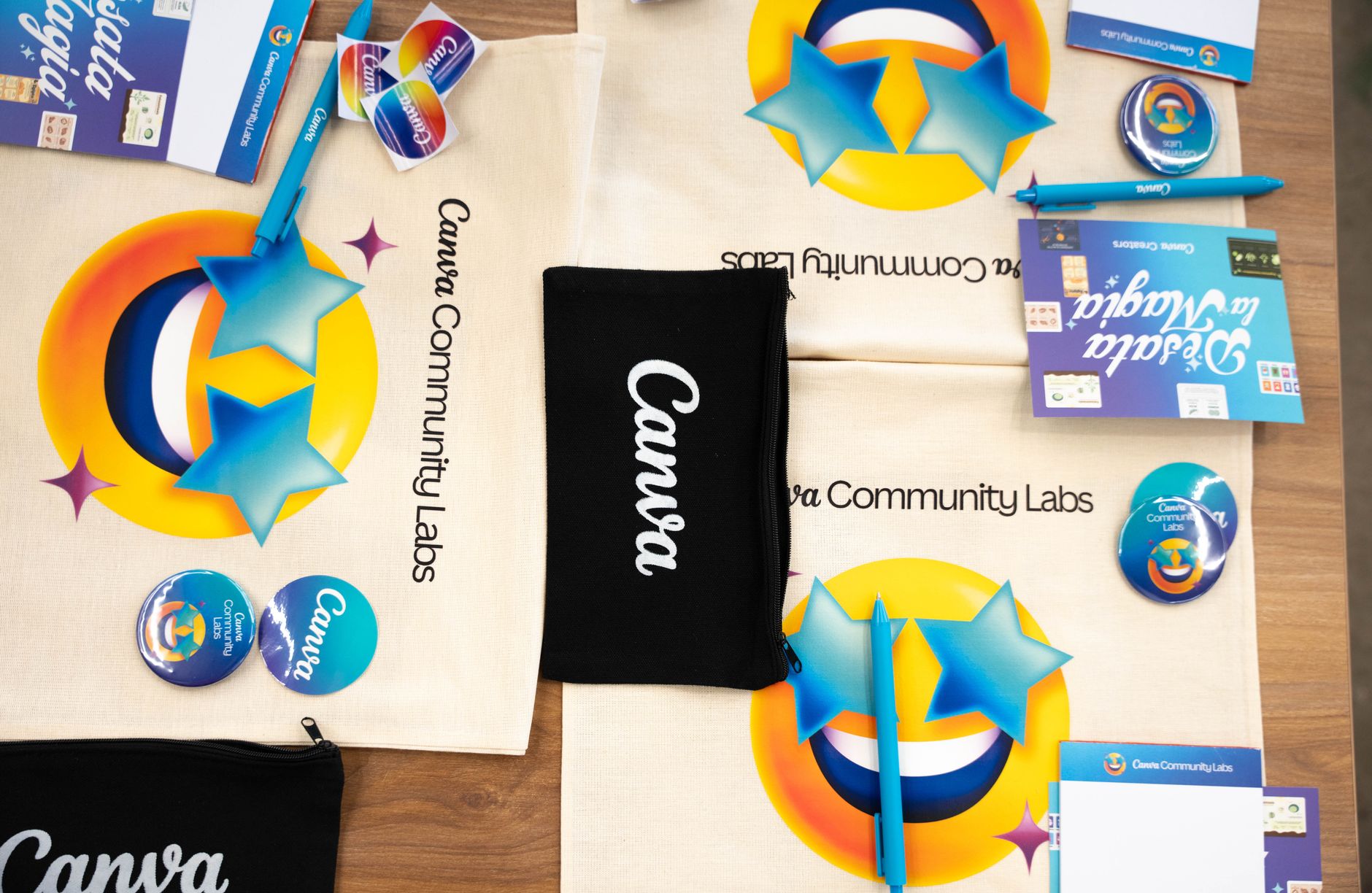
Choosing the right promotional material in Australia is one of those decisions that looks simple on the surface but quickly reveals its complexity the moment you start comparing product categories, decoration methods, minimum order quantities, and supplier lead times. Whether you’re a Sydney-based corporate team preparing for an industry expo, a Melbourne charity running an awareness campaign, or a Brisbane school organising its annual fundraiser, getting your promotional products right can genuinely move the needle on brand recognition, community engagement, and long-term loyalty. This guide walks you through everything you need to know to make confident, well-informed decisions about your next promotional merchandise order.
Why Promotional Material Still Matters in Australia
In an age dominated by digital marketing, it’s easy to assume that physical promotional products are losing relevance. The data tells a different story. Studies consistently show that branded merchandise delivers some of the highest recall rates of any marketing medium — people keep useful items, use them regularly, and associate them positively with the brand that provided them.
In Australia, the promotional products industry is robust and well-established, serving organisations of every size and type. From government departments in Canberra sourcing sustainable conference bags to Gold Coast real estate agencies printing branded pens by the thousands, the appetite for quality promotional material remains strong across all sectors.
The key difference between promotional material that delivers genuine value and merchandise that ends up in a bin is thoughtful product selection. The best promotional items are:
- Useful in everyday life — Think reusable drink bottles, tote bags, and quality notebooks rather than novelty items with little practical purpose.
- Aligned with your brand identity — Colours, logo placement, and overall aesthetic should feel cohesive with your other branding.
- Appropriate for your audience — A corporate gift for a CFO looks very different from a giveaway at a community fun run.
- Durable enough to last — Long-lasting items extend your brand’s exposure over months or even years.
Understanding these principles will guide every product decision you make.
The Most Popular Categories of Promotional Material in Australia
Australian organisations tend to gravitate toward a core set of product categories that have proven their effectiveness over time. Here’s a breakdown of the most commonly ordered items and what makes each category work.
Custom Apparel
Branded clothing is one of the most visible and enduring forms of promotional material available. Custom t-shirts, polos, hoodies, and caps turn your team — or your customers — into walking brand ambassadors. A Perth construction firm might outfit its crew in embroidered hi-vis polos, while an Adelaide university rugby club might order screen-printed hoodies for its supporters.
For apparel, decoration method matters enormously. Embroidery is generally the preferred choice for professional workwear and polos, while screen printing excels for bold, colourful designs on t-shirts. If you’re working with complex, full-colour artwork, sublimation printing opens up creative possibilities that other methods simply can’t match. Our guide to choosing the right decoration method for your branded apparel covers each technique in detail.
MOQs for custom apparel typically start around 12–25 units depending on the supplier and decoration method, though screen printing often requires higher minimums (50+ units) to be cost-effective.
Drinkware
Branded drinkware — keep cups, stainless steel water bottles, glass mugs, and travel tumblers — has become the go-to promotional product for organisations that want to project an eco-conscious, premium image. These items are used daily, meaning your logo gets repeated exposure in offices, gyms, and cafés across the country.
For a Hobart tourism operator gifting clients, a quality insulated bottle with laser-engraved branding communicates sophistication. For a Darwin community health programme, a reusable keep cup with a cheerful print supports both the campaign message and sustainability goals. Read our complete guide to branded drinkware options to understand which products suit different budgets and audiences.
Bags and Totes
From simple cotton tote bags to structured backpacks and insulated cooler bags, branded bags offer enormous branding real estate and everyday utility. They’re particularly effective at trade shows, conferences, and school events.
A Melbourne council running a sustainability initiative might choose recycled material tote bags printed with an environmental message. A corporate team in Sydney might supply branded laptop bags as premium client gifts. MOQs for tote bags can be as low as 50 units, making them accessible even for smaller organisations with modest budgets.
Stationery and Office Supplies
Branded pens, notebooks, lanyards, and desk accessories are staples of the Australian promotional products market for good reason — they’re used constantly and sit on desks where they’re seen throughout the working day. If you’re ordering for a conference or trade show, our tips for selecting stationery items for events will help you prioritise wisely.
Tech Accessories
Branded USB drives, power banks, wireless chargers, and phone accessories appeal strongly to corporate and tech-sector audiences. These items tend to carry a higher per-unit cost but also a higher perceived value, making them ideal as premium gifts for clients, partners, or VIP attendees.
Eco-Friendly Products
Sustainability is increasingly front-of-mind for Australian businesses and the communities they serve. Bamboo products, recycled material items, and certified organic apparel allow organisations to align their promotional material with their environmental values. Our guide to eco-friendly promotional products in Australia explores this growing category in depth.
How to Plan Your Promotional Material Order in Australia
Good promotional merchandise doesn’t just happen — it’s the result of careful planning. Here’s a structured approach to help you get it right.
Define Your Objectives First
Before you pick a single product, clarify what you’re trying to achieve. Are you building brand awareness? Rewarding loyal customers? Equipping a trade show booth? Welcoming new staff? Your objective will shape every decision that follows — product type, budget, quantity, decoration style, and timeline.
Set a Realistic Budget
Budget is often the constraint that narrows down your options, and that’s not necessarily a bad thing. Understanding your per-unit budget early allows you to shop in the right tier from the outset rather than falling in love with a product you can’t afford.
As a general guide for Australian promotional products:
- Entry-level giveaways (pens, keyrings, lanyards): $1–$5 per unit
- Mid-range products (tote bags, notebooks, branded caps): $5–$20 per unit
- Premium items (insulated drinkware, tech accessories, quality apparel): $20–$60+ per unit
Don’t forget to factor in setup fees (typically $30–$80 per colour or position), freight costs, and GST. Our budgeting guide for promotional merchandise orders breaks these costs down further.
Understand Lead Times and Plan Ahead
One of the most common mistakes Australian organisations make is leaving their promotional material order too late. Standard production lead times typically run 10–15 business days after artwork approval, with freight adding extra time for regional areas. If you’re in regional Queensland or Western Australia, factor in additional days.
Rush orders are possible with many suppliers, but they usually attract a premium. For large events — annual conferences, EOFY campaigns, school fundraisers — aim to begin your ordering process at least 6–8 weeks in advance. Our guide to ordering promotional products on time outlines how to build a sensible timeline.
Prepare Your Artwork Correctly
Poor artwork submission is the single biggest cause of delays in promotional merchandise production. Most decoration methods require vector artwork files (AI or EPS format) with all fonts outlined. JPEG or PNG files can work for some digital printing methods, but vector is almost always the safest choice.
Check your logo files are available in the correct format before you approach a supplier. If you only have a low-resolution file, a graphic designer can usually recreate your logo in vector format for a modest fee. Read our artwork preparation guide for promotional products for a full checklist.
Order Samples Where Possible
For larger orders, it’s almost always worth ordering a sample before committing to full production. Samples allow you to verify print quality, product feel, colour accuracy, and sizing before thousands of units are produced. Most Australian suppliers offer pre-production samples for a small fee — an investment well worth making. Learn more in our guide to ordering product samples before bulk production.
Matching Promotional Material to Your Audience in Australia
Different audiences respond differently to different products, and understanding this is essential to getting real return from your promotional spend.
- Corporate clients and partners expect quality. A flimsy pen or a low-grade tote bag signals the wrong things about your brand. Invest in products that reflect the professionalism of your organisation.
- School and community audiences appreciate fun, colourful, and practical items — think branded stationery kits, drawstring bags, or water bottles for kids’ sports days.
- Event attendees want useful things they’ll actually keep. Sunscreen sachets, portable chargers, and quality tote bags consistently outperform novelty items at Australian events.
- Trade show visitors are typically carrying multiple bags of freebies. Stand out with something genuinely useful or unusual rather than adding to the pile of cheap promotional pens.
For sector-specific advice, explore our guides for promotional products for corporate events and branded merchandise for schools and educational organisations.
Key Takeaways
Navigating the world of promotional material in Australia becomes much easier once you have a clear framework for decision-making. Here’s a summary of what to keep in mind:
- Start with your objective, not the product — know what you’re trying to achieve before selecting merchandise.
- Match your product choice to your audience — premium clients expect premium items; community giveaways can be more accessible.
- Plan your timeline early — allow at least 6–8 weeks for larger or complex orders to avoid rush fees and unnecessary stress.
- Prepare print-ready artwork — vector files prevent delays and ensure the best possible print quality.
- Balance quality and budget — the cheapest option is rarely the best value when you factor in brand perception and product longevity.
- Consider sustainability — eco-friendly promotional material resonates strongly with modern Australian audiences across corporate, government, and community sectors.
Whether you’re ordering 50 branded tote bags for a local charity event in Adelaide or 5,000 custom keep cups for a national conference in Melbourne, the fundamentals remain the same. Thoughtful product selection, proper planning, and attention to detail are what separate promotional material that genuinely builds brand loyalty from merchandise that gets forgotten in a drawer. Start with these principles, and your next promotional merchandise campaign will be far more likely to deliver the results you’re looking for.