
What Promotional Products Experts Know That Most Businesses Don't
Discover what promotional products experts know about branded merchandise — from product selection to decoration methods and ordering tips for Australian businesses.

Written by
Connor Dupont
Corporate Gifts
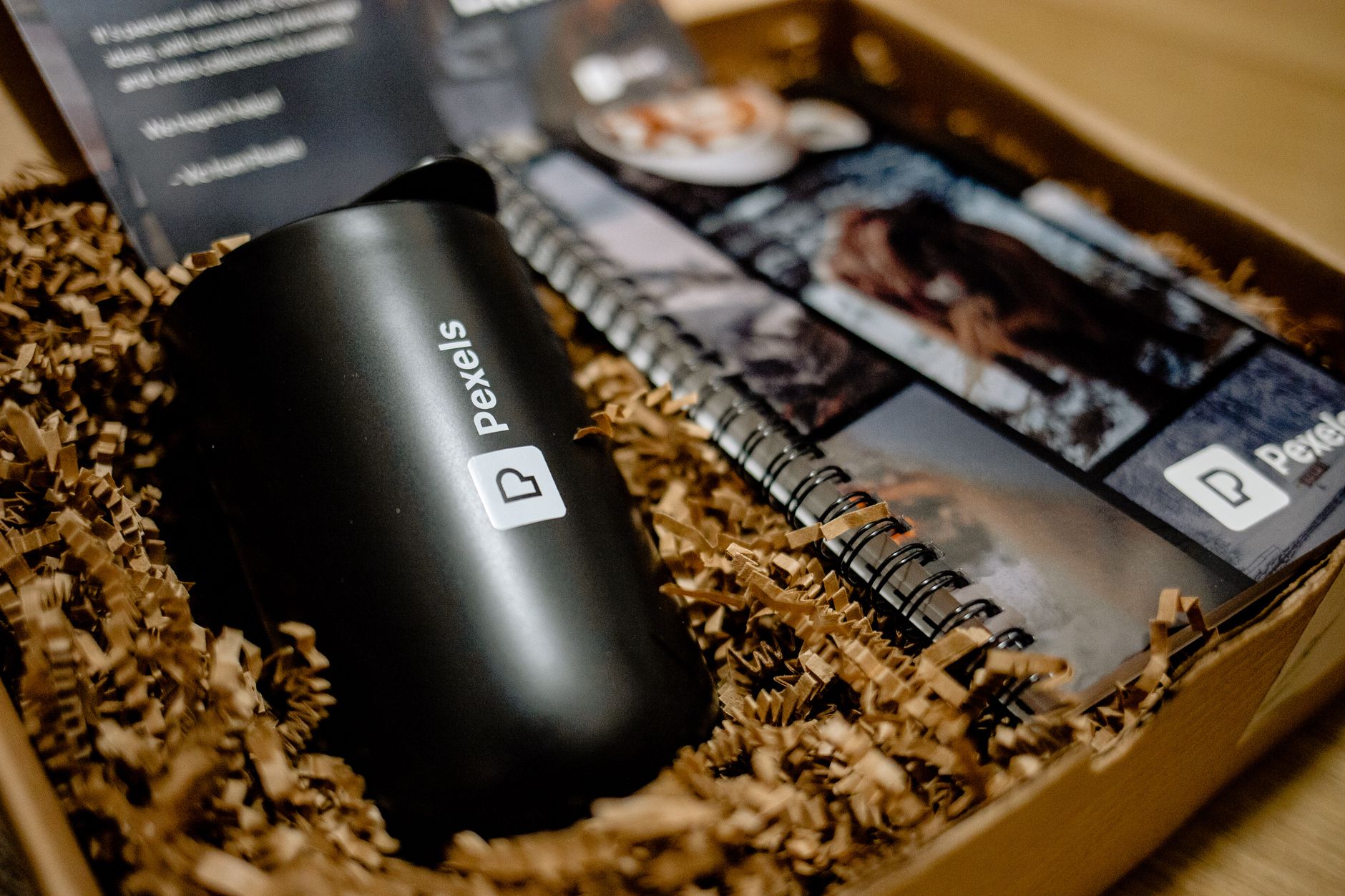
Working with promotional products experts can be the difference between a merchandise campaign that genuinely moves the needle and one that ends up collecting dust in a storage room. Most Australian businesses approach branded merchandise with good intentions — they want to reward staff, impress clients, or make a splash at a trade show — but without the right knowledge, it’s easy to overspend, under-plan, or end up with products that don’t reflect the brand. The good news? The insights that seasoned merchandise specialists rely on every day aren’t locked away in a vault. This guide breaks down what the experts know, so you can approach your next branded merchandise project with confidence, clarity, and better results.
What Does It Actually Mean to Work With Promotional Products Experts?
The term gets thrown around a lot, but what separates a true merchandise expert from someone who simply sells branded items? Experience, product knowledge, and a genuine understanding of how promotional products function within a broader marketing strategy.
A real expert doesn’t just take your order — they ask the right questions. What’s the occasion? Who is the recipient? What’s the budget per unit? How many do you need, and when do you need them? Are you prioritising brand visibility, perceived value, or day-to-day utility? These questions matter enormously, because the answers will shape every decision that follows, from product selection through to decoration method and packaging.
Promotional products experts also understand the mechanics behind what makes branded merchandise actually work. Research consistently shows that useful, high-quality items with strong brand recall outperform cheap giveaways that end up in the bin. A well-chosen product keeps your brand visible for months — sometimes years. A poorly chosen one disappears within days.
For Australian businesses looking to build meaningful brand awareness through merchandise, having access to expert guidance isn’t a luxury. It’s a practical advantage.
The Product Knowledge That Sets Experts Apart
One of the most valuable things a promotional products expert brings to the table is deep familiarity with the product landscape. There are thousands of categories to choose from — apparel, drinkware, bags, tech accessories, stationery, eco-friendly items, and more — and knowing which products perform well in which contexts is genuinely specialised knowledge.
Matching Products to Purpose
The right product depends heavily on the context. A Sydney law firm sending corporate end-of-year gifts to valued clients has very different needs from a Gold Coast sporting association ordering gear for its annual gala. Getting this match right is where expert knowledge pays dividends.
For corporate gifting, premium corporate gift ideas for Christmas like engraved drinkware, quality leather notebooks, or branded keep cups tend to land well because they signal care and quality. For event merchandise at conferences or trade shows, practical items — tote bags, lanyards, power banks, or branded pens — are often the smarter play because recipients can use them immediately.
Decoration Methods Matter More Than Most Realise
Ask most business owners what decoration methods are available, and they’ll likely say “printing.” But the reality is far more nuanced. Embroidery, screen printing, sublimation, heat transfer, laser engraving, pad printing, and digital printing all have different strengths, limitations, cost profiles, and suitability for different product types and materials.
Embroidery, for example, delivers a premium look and exceptional durability on polo shirts, caps, and workwear — making it a favourite for corporate uniforms across Melbourne, Brisbane, and Perth. But it’s not ideal for fine detail or gradient designs. Screen printing, on the other hand, handles bold, flat colours brilliantly and is cost-effective at higher quantities. Sublimation is unmatched for all-over prints on polyester garments or ceramic products. Laser engraving is the go-to for metal or timber awards and premium drinkware.
If you’re exploring custom iron-on embroidery patches for branded apparel or trying to understand the differences between screen printing and direct-to-garment on t-shirts, understanding decoration methods is an essential first step.
Understanding Minimums, Timelines, and Costs
This is where many organisations come unstuck. Promotional products have structural realities — minimum order quantities (MOQs), setup fees, and production timelines — that can surprise those who haven’t navigated them before.
Minimum Order Quantities
Most standard branded merchandise comes with MOQs, which exist because setup costs for decoration (especially screen printing and embroidery) need to be spread across a volume of units to make the process economically viable. Typical MOQs range from 25 to 100 units for most product categories, though some items — particularly niche or premium products — may require 250 or more.
For smaller organisations or one-off events, this can be a challenge. Experts know which products have lower MOQs, which suppliers offer flexibility, and how to structure an order to hit the minimum without over-spending. If you’re a small charity in Adelaide or a Canberra-based startup ordering for the first time, knowing your options here is genuinely useful.
Setup Fees and Pricing Tiers
Setup fees are a standard part of the branded merchandise process — they cover the cost of preparing artwork for a specific decoration method (creating a screen for screen printing, digitising a logo for embroidery, etc.). These fees are typically a one-off cost per decoration position, per colour, or per decoration method.
Pricing tiers reward volume. The cost per unit at 50 pieces is almost always significantly higher than at 250 pieces. Experts help clients understand this relationship and plan their orders accordingly — sometimes consolidating multiple product types into one order to unlock better pricing.
For organisations looking at cost-effective branded clothing options without sacrificing quality, understanding where the price breaks sit is enormously helpful.
Turnaround Times
Standard production turnaround for most decorated merchandise in Australia sits at 10 to 15 business days after artwork approval. Rush production is available from many suppliers, but it carries a premium and isn’t always available across all product categories.
The experts’ golden rule: always work backwards from your deadline. If you need merchandise in time for a Melbourne conference on the 12th of the month, don’t place your order on the 5th and hope for the best. Factor in proof approval, production, freight, and a buffer for any unexpected delays.
How Experts Approach Artwork and Brand Consistency
Getting artwork right is one of the most underestimated parts of the branded merchandise process. Promotional products experts know that poor artwork preparation leads to delays, disappointing outcomes, and sometimes unnecessary reprints.
Vector files (typically AI, EPS, or PDF formats) are the standard for most decoration methods because they scale without losing quality. Supplying a low-resolution JPEG and hoping the decorator will sort it out is a recipe for frustration. For businesses that work with a range of branded merchandise materials across Australia, having a library of correctly prepared artwork files makes every future order faster and cleaner.
Experts also pay close attention to colour accuracy. PMS (Pantone Matching System) colour references ensure that your brand’s specific shade of blue or green is reproduced consistently across different products and decoration methods — critical for organisations where brand guidelines are non-negotiable.
Beyond Products: Thinking Strategically About Merchandise
Perhaps the biggest distinction between promotional products experts and casual suppliers is strategic thinking. Experts don’t just help you pick products — they help you think about the role merchandise plays in your broader communication goals.
Branded Merchandise as a Touchpoint
Every branded product that leaves your organisation is a touchpoint with your audience. A reusable keep cup handed to a delegate at a Brisbane business summit gets used in offices across the country for years. A branded tote bag carried through a Hobart farmers’ market is a mobile billboard. Customised coffee mugs on desks in a Sydney co-working space are seen by dozens of people every day.
When you understand merchandise as a communication tool rather than just a giveaway, the calculus around quality, product selection, and budget shifts entirely.
Integrating Physical and Digital Brand Experiences
Modern promotional strategies increasingly blend physical merchandise with digital experiences. Digital signage and display solutions at events or retail environments can complement branded merchandise beautifully — for example, a branded product wall displayed alongside dynamic digital sign displays creates a cohesive, memorable brand environment that photographs well and reinforces your visual identity.
Sourcing and Supply Chain
Experts also understand the supply chain — knowing which clothing suppliers offer the best combination of range, quality, and reliability can save enormous time and reduce risk, particularly for organisations placing large or time-sensitive orders.
Conclusion: Key Takeaways for Working With Promotional Products Experts
Whether you’re a Perth-based events company ordering merchandise for an annual gala, a Darwin government department sourcing branded workwear, or a school in regional Victoria planning a fundraiser, the principles are the same. Here’s what the experts know that you should too:
- Product selection is strategic, not arbitrary — match the product to the purpose, the audience, and the occasion for the best results.
- Decoration methods vary significantly — embroidery, screen printing, sublimation, and laser engraving all have different strengths, and choosing the right one affects both quality and cost.
- Plan with realistic timelines — standard production takes 10 to 15 business days after artwork approval; build in buffer time and never leave an important order to the last minute.
- Understand MOQs and price tiers — knowing how volume affects cost per unit helps you budget smarter and order more efficiently.
- Artwork quality determines print quality — always supply vector files and PMS colour references to ensure consistent, professional results across every product.
- Think beyond the giveaway — the best promotional products are those that are genuinely useful, well-made, and aligned with your brand values, turning everyday items into long-term brand ambassadors.
The insight that separates great merchandise outcomes from mediocre ones rarely comes down to budget alone. It comes down to knowledge, planning, and working with — or thinking like — true promotional products experts.